



Turning School Assemblies into Political Action
Young Voices for Biodiversity.
During the 2025–26 school year, students across Holy Family Catholic Multi-Academy Trust took part in a School Citizen Assembly programme led by the University of Manchester in partnership with Chester Zoo. Students explored climate and nature challenges, developed practical solutions and put these into action within their schools and communities.
Hope for the Future joined the programme to help students take the next step: understanding how political engagement could increase the impact of the changes they were already making.
We worked with 25 students across five schools, delivering political engagement training and helping them turn their experiences and ideas into clear asks of decision-makers. This meant students were not engaging politicians with abstract concerns about climate change: they could show what they had already achieved, identify the barriers they were encountering and ask politicians to help them go further.
From local projects to political asks
Across the schools, students had already taken significant practical action alongside the assembly process. They created ponds, wildflower gardens, bug hotels, bat and bird boxes and ceramic bee houses; secured plants and seeds from local organisations; surveyed other students about biodiversity; developed community awareness materials; and shared their learning with other pupils, schools and families.
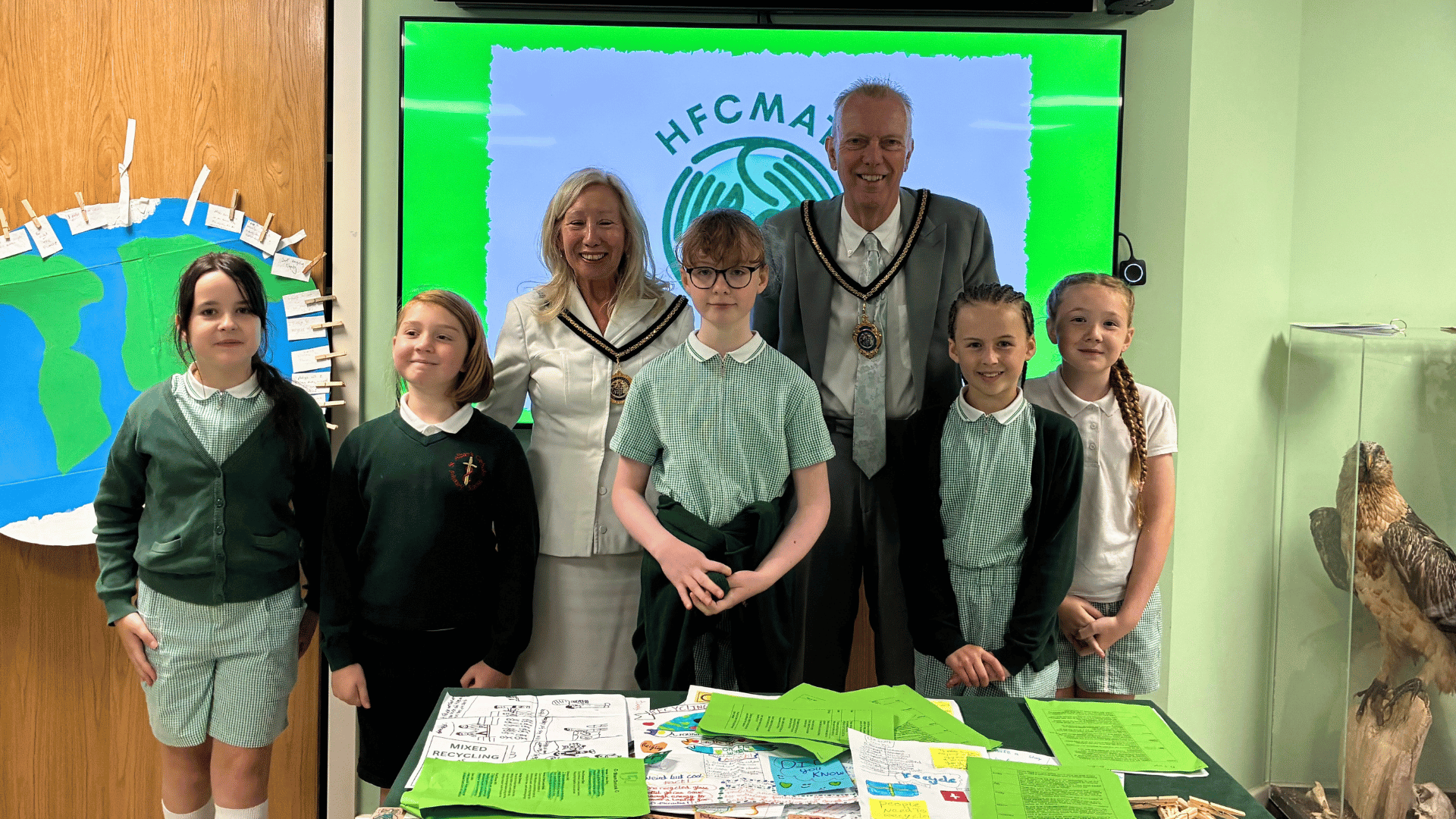
At the Chester Zoo celebration event in June 2026, students brought this work directly to political representatives. HFTF supported four local politicians to attend and helped students translate their projects into practical requests for political support.
These conversations generated tangible commitments. Councillor Gail Jenkinson agreed to visit Our Lady of Pity to explore support for its environmental work, receive the school's eco-newsletter and engage with its after-school club. Students at St Bernard's raised fast-fashion recycling and the environmental impact of packed lunches, with the Mayor committing to provide additional reusable water bottles. Students from SJP and St Mary's secured commitments from councillors and local experts to help share their biodiversity materials more widely.
Other asks ranged from support to restore a school pond and expand tree planting to stronger climate and nature education in schools.
Taking the conversation to Westminster
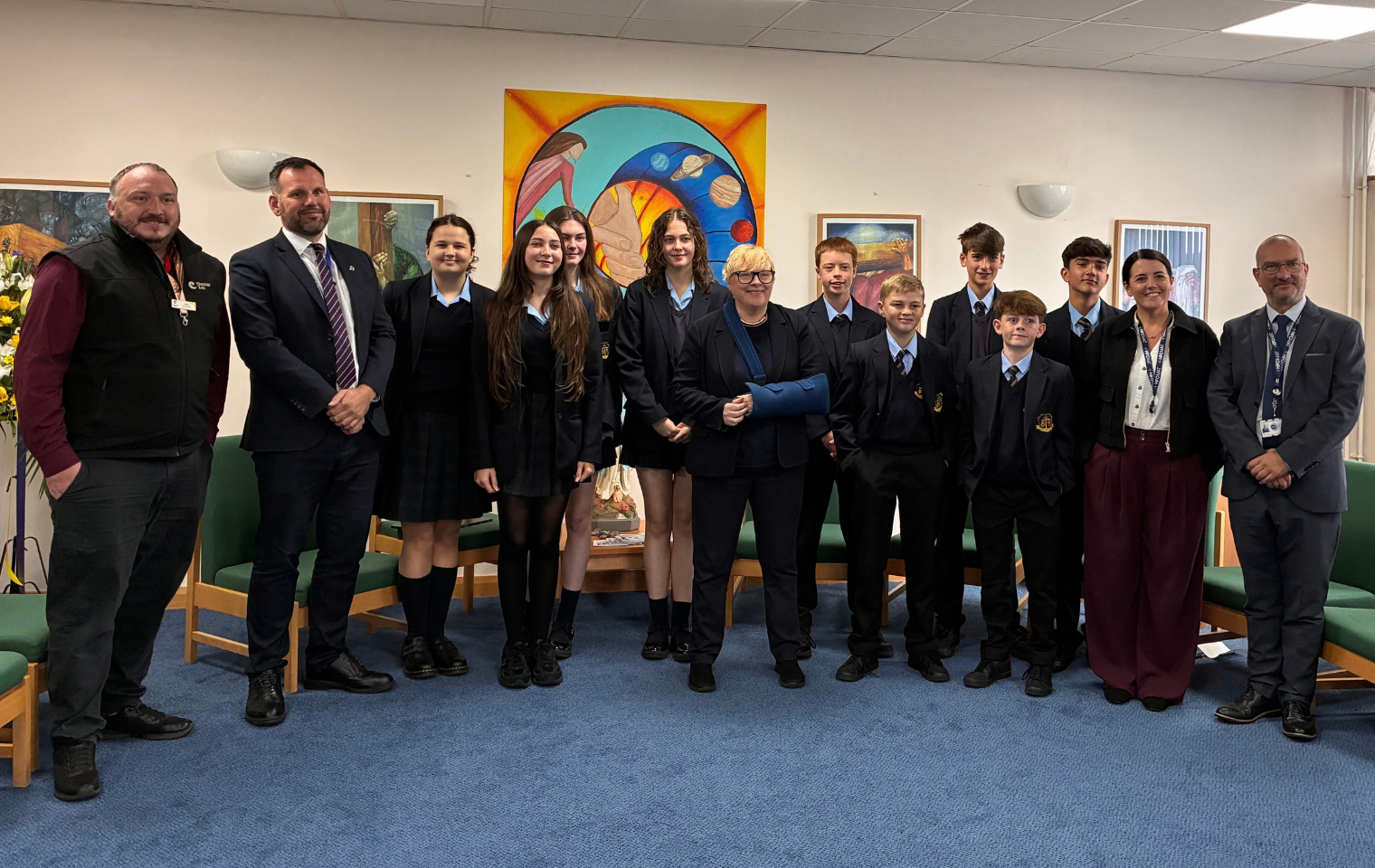
Dame Angela Eagle MP was unable to attend the Chester Zoo event, so HFTF arranged a separate roundtable with students from St Mary's Catholic College in her constituency.
Ten students took part alongside their teachers and Chester Zoo's Education Manager. The students structured the conversation around three simple priorities for nature action: “Fund it, grow it and teach it.” Their asks were grounded in what they had learned through the Assembly and what they had experienced trying to make change themselves.
One of the strongest discussions concerned climate and nature education. Students told Angela that while they learn about the science of climate change and the scale of the problems facing nature, they receive much less education about solutions or what they themselves can do.
They asked for action-orientated climate and nature education to be available to all school children. Angela agreed to broker a conversation between the students and the Department for Education to explore this further. She also agreed to support their proposal to explore how schools could have access to free seeds, helping more young people take practical action for nature within their school grounds.
Students also challenged Angela on sewage pollution, asking:
“Will the Government make sure water companies are held responsible when their pollution harms people or nature?”
Angela did not make a specific commitment on this ask, but explained that the Government is currently reviewing sewage infrastructure and that she has personally been tasked with work in this area. The students therefore have a clear opportunity to follow up with her and continue holding the conversation.
The meeting also opened an unexpected avenue for longer-term local collaboration. Angela spoke about her interest in exploring the potential to reinstate Wallasey's market-garden heritage. St Mary's is now keen to explore how students and the school could become a partner in that work once the initial scoping has taken place.
Creating a legacy beyond the project
The students' influence will also extend beyond the 2025–26 School Citizen Assembly itself. At the roundtable, Chester Zoo shared that it will have a presence at COP17 in Armenia and would like to showcase the voices and experiences of the students as part of this, giving young people from the programme an opportunity to contribute to a major international conversation on biodiversity.
HFTF will build on this by capturing and sharing the students' messages with politicians across the North West, ensuring their ideas and asks continue to reach decision-makers beyond those directly involved in the project.
Together, this creates a lasting legacy from the programme: young people's ideas travelling from their classrooms and school grounds, into conversations with local councillors and a Government minister, across the North West political landscape, and ultimately onto an international stage.
Why this matters
This project demonstrates the value of connecting environmental education, practical action and democratic engagement.
Students did not finish the Citizen Assembly simply having learned more about climate change and biodiversity. They tested solutions, built evidence from their own communities, learned how political decisions affect what is possible, and then took their ideas directly to people with the power to help scale them.
Importantly, the political engagement was not designed as a one-off moment at the end of the programme. Commitments made at the Chester Zoo celebration created opportunities for ongoing relationships between schools and local councillors. The St Mary's roundtable opened potential routes into the Department for Education, Angela Eagle's work on sewage infrastructure and future local environmental initiatives. Chester Zoo's COP17 presence and HFTF's commitment to share the students' voices across the North West provide further routes for their priorities to travel beyond their individual schools.
For HFTF, this is an important model for how young people's climate and nature engagement can move from learning to legacy. Rather than asking young people simply to care about the climate and nature crisis, the programme enabled them to experience themselves as participants in democracy: identifying what needs to change, testing solutions, making credible asks of decision-makers and seeing their voices carried into political spaces from the local to the international.